Aging Loved Ones: More Than a Moment, a Movement
When we began True Care Transitions, we knew families were struggling with more than logistics. They were struggling with uncertainty, overwhelm, time pressure, and emotional exhaustion as parents age and life circumstances shift.
We lived it ourselves.
We watched friends live it.
And we knew there had to be a better way.
That’s why we decided it was time for a different kind of conversation, one that didn’t wait until a crisis, didn’t sugarcoat reality, and didn’t leave families to piece together answers on their own.
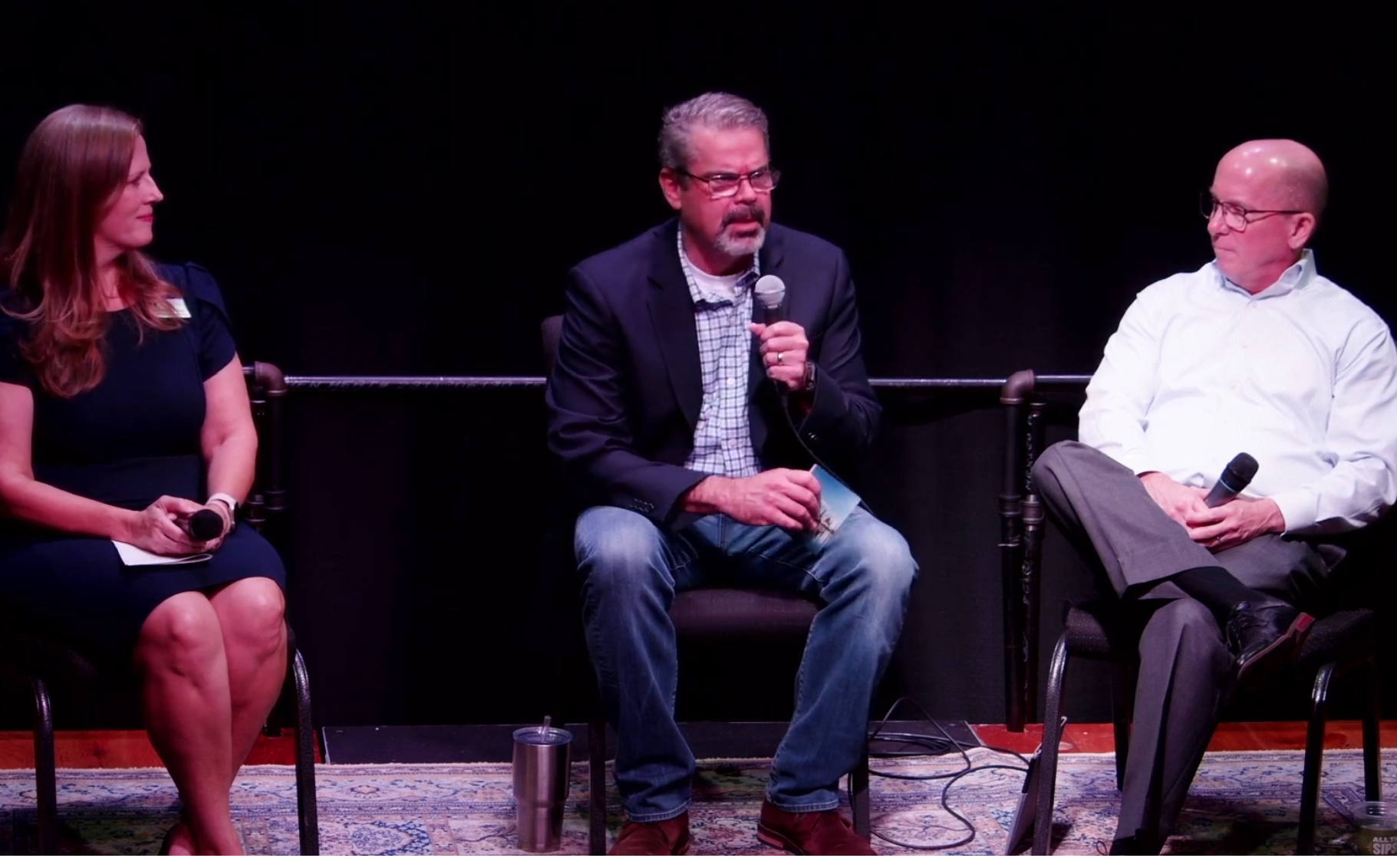
So we convened a live panel discussion that brought together the exact voices families need at the moment of decision:
a placement/care advisor
an estate planning attorney
a remodeler/home transition expert
and lived experience from our own journey
We didn’t script it.
We made space for vulnerable truth, surprising revelations, and hard questions.
And it was powerful.
How the Panel Came Together
This wasn’t a marketing event.
It was born out of frustration, love, and necessity.
Over months of conversations with families, we heard the same themes:
“We thought we were prepared — until we weren’t.”
“I don’t even know where to start.”
“We don’t want to wait until something bad happens.”
So instead of answering those questions one-by-one, we decided to put all the experts in one room and ask the questions everyone asks but rarely gets answered clearly.
The result was a candid, compassionate, and eye-opening dialogue that families have already called:
“The conversation I didn’t know I needed until now.”
“I wish someone told me this before my mom fell.”
“This should be required before anyone turns 70.”
A Few Key Takeaways You’ll Hear in the Discussion
1. You don’t know what you don’t know — and that costs more than money.
Families underestimate the complexity of senior transitions.
Care levels, legal documents, capacity issues, these aren’t intuitive.
2. Legal readiness is not optional.
Without powers of attorney and directives in place, decisions get delayed—or taken out of the family’s hands entirely.
3. Google cannot replace human guidance.
One of our panelists warned that filling out an online “find care for mom” form can trigger 20 sales calls in 30 minutes. Families need one trusted guide, not spam.
4. The emotional avoidance is real and dangerous.
Waiting until after a fall or hospitalization means you’re planning from panic, not purpose.
5. Transitions can be smoother, kinder, and less stressful if conversations start early.
These aren’t just informational points. They’re personal.
Why You Should Watch the Panel Now
Whether you’re:
• noticing changes in a parent
• already in crisis mode
• or just trying to be proactive
This panel will help you:
• understand the landscape
• know what decisions are coming
• avoid costly and painful mistakes
• feel less alone in this process
And as you’ll hear, no family regrets planning early, only waiting too long.